Personal loan
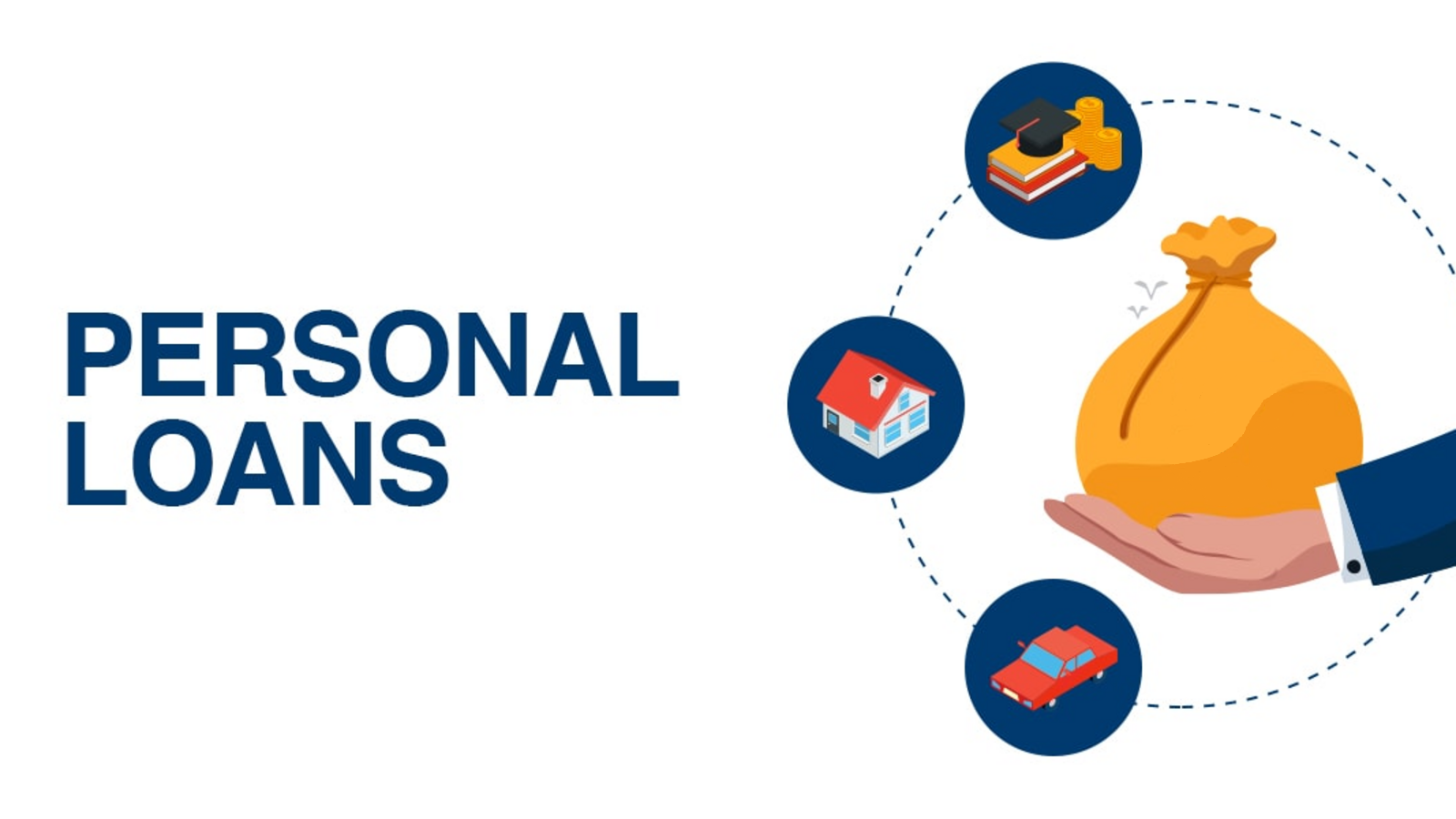

Choose carefully when considering a personal loan, as selecting the right type can significantly impact your financial well-being. Personal loans, unlike secured options, do not require collateral. This unsecured nature often results in higher interest rates compared to secured loans. Carefully analyze the interest rate offered and its impact over the loan's term to avoid paying excessively over time. Understanding the importance of these factors helps in making informed decisions and ultimately saves you money.
Pay close attention to the loan terms, as they can vary greatly between lenders. While interest rates are a critical component, also consider other aspects like loan fees, processing charges, and early repayment penalties. These elements combined determine the total cost of the loan, and ignoring them can lead to unexpected expenses. Lenders use these mechanisms to manage risks, but with thorough research and comparison, you can find favorable conditions that align with your financial goals.
Before applying, evaluate your credit score, as it plays a significant role in the approval process and the interest rates offered. A higher credit score can potentially secure lower interest rates, making the loan more affordable. Regularly reviewing and improving your credit score by paying bills on time, reducing existing debts, and correcting any inaccuracies on your credit report contributes to a healthier financial standing. These steps can enhance your borrowing options, offering more attractive terms and conditions for personal loans.
Determining the Right Loan Amount for Your Needs
Identify your specific funding needs by listing your expenses. Whether covering medical bills, home renovations, or other significant purchases, a clear view of your financial requirements prevents borrowing excess amounts. Factor in any emergency reserves you might need, but avoid expanding the loan sum beyond necessity to minimize interest payments.
Analyze your monthly budget to understand repayment capacity. Calculate how the loan's monthly installment will fit into your current financial structure without straining it. Consider existing debts and payments to ensure the new loan does not disrupt your financial stability.
Research potential loan offers and their repayment terms. Many lenders provide online calculators enabling you to estimate monthly payments based on different loan amounts and interest rates. This tool can be invaluable for comparing options and determining a realistic loan amount aligned with your repayment ability.
Consult financial advisors if you're uncertain about your borrowing decision. A professional can provide insights on optimizing your loan amount based on your financial profile and goals, hence enhancing your approach toward personal loans.
By keeping your borrowing aligned with actual needs and ensuring that repayments are manageable, you position yourself for successful financial planning and avoid unnecessary debt.
Comparing Interest Rates and Loan Terms: What to Look For
First, examine the annual percentage rate (APR) rather than just the interest rate, as APR includes all fees and gives a more complete picture of the loan cost. Compare offers from several lenders to identify the best rate available to you. Online comparison tools can be an effective way to quickly view various options.
Understand Fixed vs. Variable Rates
Fixed interest rates remain the same throughout the loan term, offering predictable monthly payments. Variable rates may initially be lower but can fluctuate with the market, potentially increasing over time. Choose fixed if you prefer stability and variable if you anticipate paying off the loan quickly or when rates are low.
Evaluate the Loan Term
Consider the loan duration carefully. A shorter term typically means higher monthly payments but less interest paid overall, while longer terms reduce monthly payments but increase the total interest cost. Calculate your financial bandwidth to decide what monthly payment is sustainable without straining your budget.
Lastly, scrutinize any prepayment penalties or additional fees that may impact the overall cost of the loan. Opt for loans with flexible terms that allow penalty-free early repayments if your financial situation allows for it. This flexibility can save money in the long run by reducing interest obligations.
Understanding Credit Scores and Their Impact on Loan Approval
Ensure your credit score is as high as possible before applying for a personal loan. A score above 700 increases approval chances and can lead to better terms. For improvement, focus on timely bill payments and reducing existing debts.
- Pay bills on time – even a single missed payment can negatively affect your score.
- Reduce credit card balances – aim to use less than 30% of your credit limit.
- Avoid opening new accounts unnecessarily, as each credit inquiry can lower your score.
- Regularly check your credit report for errors and dispute any inaccuracies.
Lenders use credit scores to assess risk. A higher score generally means a lower risk to lenders, resulting in more favorable loan conditions such as lower interest rates. Conversely, a lower score might lead to loan denial or higher rates.
In addition to credit scores, lenders also consider income stability and debt-to-income ratio. While a high credit score is crucial, demonstrate consistent income and manageable existing debt to further enhance your loan application.
Use credit score monitoring tools to keep track of your progress. Many financial institutions offer free monitoring services that can help alert you to changes in your score before you apply for a loan.
Exploring Different Lender Options: Banks vs. Credit Unions
Opt for banks if you seek a broad range of personal loan options and prefer the convenience of digital services. Banks typically offer versatility in loan types and more robust mobile banking features, which are suitable for tech-savvy individuals looking for convenience right at their fingertips. Additionally, banks often provide faster approval times, which can be advantageous if timing is a crucial factor in your decision-making.
Alternatively, consider credit unions for potentially lower interest rates and a more personalized service experience. Credit unions are non-profit organizations, meaning they tend to pass savings on to their members, often resulting in lower fees and rates. For individuals who value a sense of community and personalized interactions, credit unions might also provide tailored advice and more flexible lending terms.
Identifying the right fit involves assessing your priorities. Prioritize costs? Credit unions may be your best bet. Value digital conveniences and quick service? A bank would be more suitable. Here's a concise comparison to aid in decision-making:
Criteria Banks Credit Unions Interest Rates Generally higher Typically lower Customer Service Usually less personal Highly personalized Loan Approval Speed Generally faster Can be slower Digital Banking Features Advanced and widely available May be more limited Consider both the immediate and long-term impacts of your choice. A systematic evaluation of available options can guide you to a lender that matches your financial needs and service expectations.
Recognizing and Avoiding Common Pitfalls in Personal Loans
Evaluate your repayment capability critically before committing to a personal loan. Many borrowers fall into the trap of over-borrowing, which can lead to financial distress when they struggle to keep up with monthly payments. Always ensure your monthly obligations remain manageable compared to your income.
Pay close attention to any fees that might be associated with the loan. These can include application fees, origination fees, late fees, and prepayment penalties. Thoroughly read and understand the loan agreement to avoid unforeseen costs that can increase the overall expense of the loan.
Avoiding Variable Interest Rates
Steer clear of loans with variable interest rates unless you are certain that you can repay quickly. While initially attractive, variable rates can rise significantly, leading to drastically increased payments. Opt for a fixed-rate loan to maintain predictable monthly payments throughout the term.
Scrutinizing Lender Credibility
Deal only with reputable lenders by researching their credibility and reading customer reviews. This can prevent you from falling victim to predatory lending practices. Verify that lenders are registered with the appropriate financial authorities and have a history of customer satisfaction.
Develop a detailed repayment plan. Calculate the total cost of the loan, including interest and fees, and make sure your budget can accommodate these expenses without jeopardizing other financial goals. Adopting a proactive approach to loan management can safeguard against future financial challenges.
Strategies for Paying Off Your Personal Loan Faster
Make bi-weekly payments instead of monthly ones. By paying half of your monthly payment every two weeks, you'll make an additional payment each year, reducing your principal faster and saving on interest.
Channel extra income towards your loan. Bonuses, tax refunds, or side job earnings can significantly accelerate your repayment process. Prioritize extra payments to avoid unnecessary spending.
Reevaluate your budget regularly and cut unnecessary expenses. Redirect your savings towards your loan, making larger or additional payments whenever possible.
Opt for a shorter loan term if refinancing is an option. Although your monthly payments may increase, the total interest paid over the loan's life will decrease, leading to overall savings.
Contact your lender and inquire about any prepayment penalties. If there are none, increase your monthly payment amounts or make occasional lump sum payments, directly reducing your principal balance.
Consider using an automatic payment system. Automating your payments ensures timely payments and often comes with interest rate reductions or discounts from lenders, which helps reduce the overall cost.
Use windfalls wisely. When receiving unexpected funds, prioritize paying down your loan. This reduces your financial burden and helps improve your credit profile.